Comprehensive Overview to the Services Supplied by a Veterinary Oncologist
Vet oncology includes a wide variety of services intended at treating and detecting cancer in pets. Board Certified Veterinary Oncologist. Oncologists use sophisticated analysis techniques and supply various therapy options tailored per animal's requirements. They also prioritize encouraging care and supply beneficial resources for family pet owners. Comprehending these solutions is important for making educated choices. What particular facets of vet oncology can notably influence an animal's therapy trip?
Understanding Veterinary Oncology
Vet oncology is a customized field focused on treating and diagnosing cancer in pets. This technique encompasses a vast array of strategies, from clinical therapies such as radiation treatment and immunotherapy to medical interventions aimed at eliminating growths. Vet oncologists are educated to recognize the unique symptoms of cancer in different varieties, allowing them to customize therapy strategies to specific people.
Along with standard therapies, vet oncology highlights encouraging treatment, which plays an important role in enhancing the high quality of life for afflicted animals. This includes pain management, nutritional assistance, and palliative treatment alternatives. Cooperation with pet dog proprietors is critical, as they are indispensable to decision-making concerning their family pets' therapy paths. As research study advancements, veterinary oncology remains to evolve, offering brand-new hope and boosted end results for family pets identified with cancer. Overall, this area is basic for attending to the complexities of cancer in companion pets.
Advanced Diagnostic Techniques
Advanced diagnostic techniques play an important role in vet oncology, supplying vital insights right into the existence and degree of cancer in pets. Imaging techniques such as ultrasound, CT scans, and MRI are typically used to visualize tumors and analyze their features. Furthermore, biopsy procedures are important for acquiring cells examples, enabling clear-cut medical diagnosis and tailored therapy plans.
Imaging Modalities Utilized
Imaging methods play a crucial function in the medical diagnosis and administration of cancer in pets. Veterinary oncologists use various innovative imaging techniques to analyze tumor transition, size, and visibility. Radiography, or X-rays, offers an initial sight of bone and chest problems, while ultrasound provides real-time imaging of soft tissues, permitting for detailed examination of inner organs. Computed tomography (CT) boosts visualization of complex anatomical frameworks and makes it possible for 3D reconstructions, helping in specific tumor localization. Magnetic resonance imaging (MRI) is very useful for soft tissue differentiation, especially in mind tumors. Additionally, nuclear medicine methods such as positron exhaust tomography (PET) assistance determine metabolic task within lumps. Collectively, these modalities enhance diagnostic precision, leading reliable therapy strategies for oncological clients.
Biopsy Treatments Clarified
Adhering to the initial assessment through imaging modalities, acquiring a conclusive medical diagnosis commonly calls for cells tasting via biopsy treatments. Vet oncologists make use of various biopsy techniques based on the tumor's location and qualities. Fine needle goal (FNA) is a minimally invasive method that extracts cells for cytological evaluation, ideal for superficial masses. Core needle biopsies provide larger cells samples and work for deeper growths, permitting histopathological analysis. Surgical biopsies involve excising a part or the entire lump, facilitating comprehensive evaluation. These procedures not only validate the visibility of cancer yet also help identify its type and quality, directing treatment choices. Each biopsy technique is chosen very carefully to balance diagnostic accuracy with client safety and security and comfort.
Treatment Options for Cancer in Pets
When a family pet is identified with cancer cells, a range of therapy alternatives end up being offered to help handle the condition and improve lifestyle. Veterinary oncologists generally suggest a multidisciplinary method customized to the private pet dog's needs, which might consist of surgical treatment, radiation treatment, immunotherapy, or alternative therapies.
Surgical procedure is typically employed to remove growths and afflicted cells, possibly leading to complete remission in many cases. Radiation treatment intends to destroy and target cancer cells, minimizing tumor size and reducing symptoms - Board Certified Veterinary Oncologist. Immunotherapy harnesses the pet dog's body immune system to combat cancer much more successfully, while alternate therapies might include acupuncture or herbal supplements to support total wellness
Each treatment alternative carries its very own advantages and dangers, and veterinary oncologists function carefully with pet owners to develop a comprehensive plan that aligns with the family pet's particular medical diagnosis and the owner's wishes. The best objective is to boost the pet dog's convenience and quality of life throughout their cancer cells trip.
Radiation treatment for Pets
Radiation treatment is a typical treatment option for animals diagnosed with cancer and is often used along with various other treatments detailed by veterinary oncologists. This treatment involves the management of certain medications developed to target and ruin cancer cells, therefore lowering lump size and avoiding the spread of the disease. Vet oncologists tailor chemotherapy methods based upon the kind of cancer, the pet dog's general health, and the preferred treatment end result.
Adverse effects can happen, as these drugs might likewise affect healthy and balanced cells. Typical responses include nausea, throwing up, and short-term changes in hunger - Board Certified Veterinary Oncologist. Vet oncologists are geared up to take care of these adverse effects efficiently, making certain the animal's convenience throughout the treatment procedure. Routine surveillance with blood examinations and follow-up visits is important to examine the pet's action to chemotherapy and make needed changes. Eventually, radiation treatment can offer substantial advantages, improving the lifestyle for pets dealing with cancer cells diagnoses

Radiation Therapy in Vet Medicine
Radiation treatment works as an effective therapy choice for pets detected with localized tumors, using a targeted method to cancer administration. This strategy utilizes high-energy radiation to harm the DNA of cancer cells, preventing their capacity to proliferate. It is specifically helpful for tumors that are not responsive to surgical elimination or for cases where surgical procedure may not be viable because of the lump's location.
Vet oncologists tailor radiation procedures based upon tumor kind, size, and place, as well as the pet dog's overall health and wellness. Therapy can be delivered by means of exterior beam radiation or brachytherapy, each with unique benefits. Generally, numerous sessions are called for to optimize performance while reducing side impacts.
Although pets may experience temporary responses such as skin irritation, the general goal is to reduce growths and ease signs and symptoms, ultimately enhancing the family pet's diagnosis and lifestyle. As necessary, radiation treatment plays an essential role in comprehensive cancer care.
Palliative Care and Lifestyle
Palliative treatment in vet oncology concentrates on boosting the top quality of life for pet dogs encountering incurable health problems, making sure convenience and dignity in their final days. This specialized approach focuses on discomfort monitoring, sign control, and psychological support. Veterinary oncologists analyze each pet dog's specific requirements, tailoring interventions to alleviate pain and enhance general well-being.
Techniques might consist of providing medications for discomfort alleviation, handling queasiness, and dealing with other reference upsetting signs. Additionally, nutritional support is commonly provided to keep toughness and boost appetite. The emotional aspect of palliative treatment is just as crucial; producing a tranquil environment helps in reducing stress and anxiety for both animal and proprietor.
Eventually, the goal of palliative treatment is to allow pet dogs to enjoy their continuing to be time with as much happiness and dignity as feasible. By concentrating on comfort and top quality of life, veterinary oncologists play an important duty in guaranteeing that pet dogs and their households browse this challenging trip with compassion and understanding.
Support for Pet Dog Owners During Therapy

Psychological Support for Owners
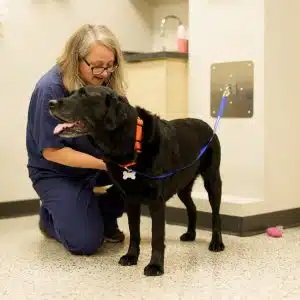
Charting the psychological landscape throughout a family pet's cancer cells treatment can be a frustrating experience for owners. link The unpredictability surrounding medical diagnosis and diagnosis can result in sensations of sadness, helplessness, and anxiousness. Veterinary oncologists acknowledge the relevance of emotional support and usually offer support to help owners browse this hard journey. Communication is crucial; talking about therapy alternatives and potential outcomes can ease some fears. Additionally, providing peace of mind that psychological feedbacks are valid fosters a helpful atmosphere. Lots of oncology facilities might also suggest support system or therapy solutions tailored for pet dog proprietors, helping with common experiences. Motivating proprietors to focus on self-care throughout this moment is essential, as their psychological health straight affects their pet dog's convenience and total therapy experience.
Resources and Educational Products
Guiding with the complexities of a pet's cancer cells treatment can be intimidating for proprietors, making accessibility to trustworthy resources and educational products necessary. Veterinary oncologists frequently provide a selection of handouts, pamphlets, and online materials that clarify treatment options, possible negative effects, and care methods. These resources aid empower and debunk the process pet dog owners to make enlightened decisions. Additionally, lots of oncology clinics use access to sustain forums and teams where owners can link with others facing comparable challenges, promoting a feeling of neighborhood. Educational seminars and webinars performed by veterinary experts further improve understanding, making certain that owners are well-appointed to navigate their family pet's trip through cancer cells therapy with confidence and understanding.
Regularly Asked Questions
Exactly How Can I Prepare My Pet Dog for a Veterinary Oncology See?
Preparing a pet dog for a veterinary oncology see entails directory gathering medical documents, keeping in mind symptoms, and making sure the pet dog is comfortable. A calm attitude and acquainted items can help alleviate anxiousness throughout the appointment.
What Are the Signs My Family Pet May Have Cancer Cells?
Indicators that a pet dog may have cancer include unusual fat burning, persistent vomiting or diarrhea, unusual lumps or swellings, lethargy, changes in hunger, problem breathing, and modifications in habits. Trigger vet interest is necessary.
Just How Can I Assistance My Pet Dog Psychologically Throughout Therapy?
Sustaining a family pet psychologically during therapy entails providing comfort, keeping routines, providing gentle love, and making certain a tranquil environment. Taking part in quiet play and regular friendship assists relieve anxiety and fosters a sense of safety and security.
Are There Alternate Treatments for Family Pets With Cancer?
Alternative therapies for family pets with cancer cells consist of acupuncture, natural therapies, and nutritional support. These approaches may enhance standard treatments, advertising overall health. Consulting with a vet is crucial for reliable and risk-free assimilation of alternative therapies.
What Prices Should I Anticipate for Veterinary Oncology Solutions?
The anticipated prices for veterinary oncology solutions can vary considerably, usually affected by diagnostics, treatments, and recurring care. Pet dog owners need to get ready for expenses varying from consultations to specialized treatments, reflecting the intricacy of cancer administration.
Collaboration with family pet owners is vital, as they are essential to decision-making concerning their animals' therapy paths. Each treatment alternative carries its very own advantages and dangers, and vet oncologists work carefully with pet dog owners to create an extensive strategy that aligns with the family pet's specific diagnosis and the proprietor's wishes. Animals might experience temporary responses such as skin irritability, the overall goal is to reduce tumors and minimize signs, inevitably improving the animal's diagnosis and top quality of life. Assistance for pet owners throughout therapy is essential in steering through the emotional obstacles linked with a pet's cancer diagnosis. Preparing a family pet for a vet oncology browse through involves gathering medical records, noting signs, and making sure the family pet is comfy.